
Custom Wedding Dress Manufacturer
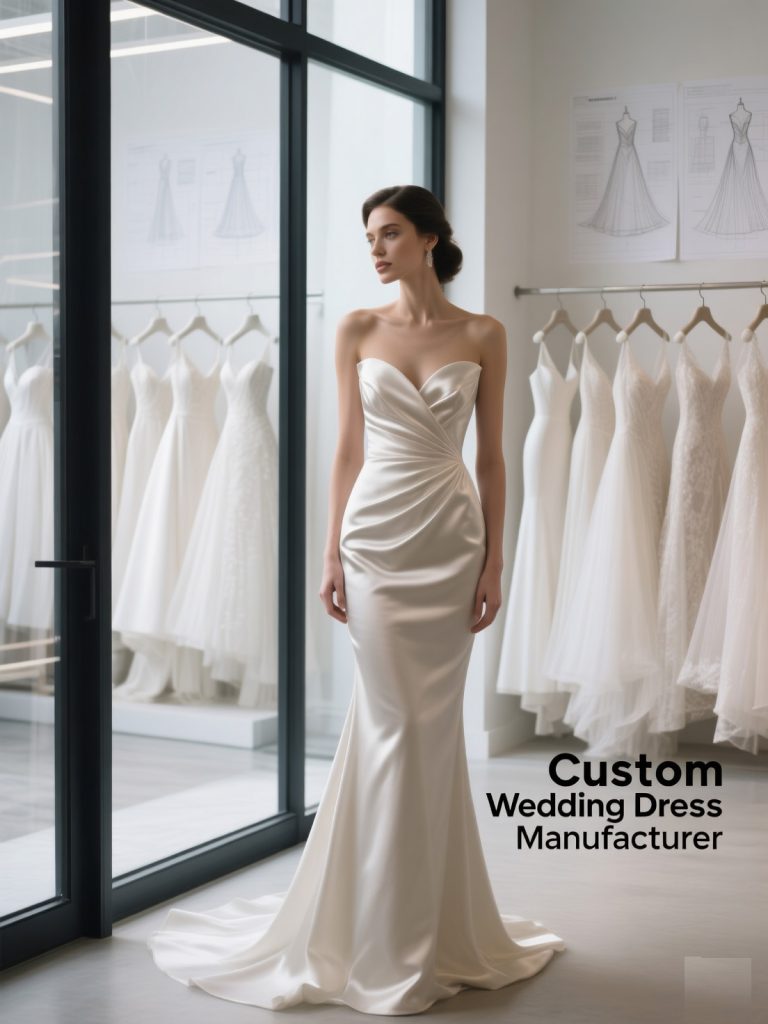
Every bride dreams of a wedding dress that feels like it was made just for her – because it was. Behind every stunning custom wedding gown is a skilled custom wedding dress manufacturer that transforms sketches, fabrics, and measurements into a wearable work of art. Whether you are a bride seeking a one‑of‑a‑kind gown, a bridal boutique owner wanting exclusive designs, or an entrepreneur launching a made‑to‑order bridal line, partnering with the right custom wedding dress manufacturer is the key to success. In this comprehensive guide, we will explore what a custom wedding dress manufacturer does, why you should choose custom over off‑the‑rack, the step‑by‑step process, and how to select the perfect manufacturing partner.
What Is a Custom Wedding Dress Manufacturer?
A custom wedding dress manufacturer is a company or workshop that produces wedding gowns based on individual specifications rather than mass‑producing standard sizes. Unlike ready‑to‑wear factories that churn out hundreds of identical dresses, a custom manufacturer focuses on made‑to‑measure or bespoke production. Each dress is created according to the client’s unique measurements, design preferences, fabric choices, and detailing. Custom manufacturers may work directly with brides, with bridal designers, or with retail brands that offer personalized gowns.
There are two primary models within custom wedding dress manufacturing:
- Bespoke (full custom): The manufacturer creates a completely original design from scratch based on the client’s ideas, sketches, or inspiration images. This involves pattern making, multiple fittings, and significant design input.
- Made‑to‑measure (customized): The manufacturer starts with an existing base design (from their own collection or the client’s brand) and adjusts it to the client’s measurements and minor modifications (e.g., changing sleeve length, neckline, or fabric).
Both models offer a level of personalization impossible with off‑the‑rack dresses.
Why Choose a Custom Wedding Dress Manufacturer?
The demand for custom wedding dresses has grown steadily as brides seek individuality, perfect fit, and higher quality. Here are the top reasons to choose custom manufacturing.
1. Perfect Fit for Every Body
Standard wedding dress sizes assume a specific proportion – for example, a size 8 dress might assume a B cup and a certain hip‑to‑waist ratio. Real women come in all shapes: petite, tall, pear‑shaped, athletic, plus‑size, or with asymmetrical features. A custom manufacturer builds the dress around your actual measurements, eliminating gaping, pulling, or uncomfortable tightness. The result is a gown that moves with you naturally.
2. Unlimited Design Freedom
When you work with a custom manufacturer, you are not limited to a catalog. You can combine elements from multiple dresses – the sweetheart neckline from one, the lace sleeves from another, the ball gown skirt from a third. You can choose unconventional colors (blush, champagne, navy, or even black), add personal embroidery (your wedding date or initials), or request a detachable train. Your imagination is the only limit.
3. Higher Quality Materials and Construction
Mass‑produced dresses often use synthetic fabrics, fused interfacings, and minimal hand finishing to keep costs low. Custom manufacturers prioritize quality. They source premium fabrics – French lace, Italian satin, silk charmeuse, soft tulle – and employ skilled seamstresses who hand‑finish seams, set boning correctly, and align lace patterns. A custom gown is built to last beyond your wedding day.
4. Emotional and Sentimental Value
There is something deeply meaningful about wearing a dress that was created specifically for you. You are involved in every decision, from the first sketch to the final fitting. The dress becomes a collaboration, a memory, and often an heirloom. Many brides report feeling more connected to their custom gown than anything they could have bought off a rack.
5. Support for Small Businesses and Ethical Production
Many custom wedding dress manufacturers are smaller, independent workshops that prioritize ethical labor, sustainable practices, and fair wages. By choosing custom, you often support local artisans or responsible overseas partners, reducing the environmental impact of mass production.
The Custom Wedding Dress Manufacturing Process: Step by Step
If you have never commissioned a custom dress, the process may seem mysterious. Here is a typical workflow when working with a professional custom wedding dress manufacturer.
Step 1: Initial Consultation
You meet with the manufacturer (in person or virtually). You discuss your wedding date, venue, style preferences, budget, and any inspiration images. The manufacturer listens and offers professional advice on what silhouettes, fabrics, and details will work best for your body type and event.
Step 2: Design Sketch and Fabric Selection
Based on the consultation, the manufacturer creates a sketch or digital rendering of your dress. You approve the design or request revisions. Then you select fabrics, laces, colors, and embellishments from swatches. This is also when you decide on details like train length, back style (e.g., button, zipper, corset), and lining color.
Step 3: Measurement Taking
Precise measurements are taken – often 15–20 points including bust, underbust, waist, high hip, low hip, shoulder width, armhole depth, arm length, and desired hollow‑to‑hem length. If you are working remotely, the manufacturer will provide a detailed measurement guide or request a fitting garment.
Step 4: Pattern Making and Toile (Test Garment)
The manufacturer creates a custom paper pattern based on your measurements. Then they sew a “toile” – a test version of your dress made from inexpensive muslin or calico. You try on the toile. This is where fit is perfected: the manufacturer pins adjustments, marks changes, and records alterations. The toile stage is critical because changes are easy and inexpensive before cutting into your final fabric.
Step 5: Final Fabric Cutting and Sewing
Once the toile fits perfectly, the pattern is transferred to your chosen fashion fabric. The manufacturer cuts the fabric, sews the dress, and adds all details – lace appliqués, beading, boning, lining, and closures. This stage requires the most time and skill.
Step 6: Fittings
You will have one or two fittings in the finished (or nearly finished) dress. The manufacturer checks the fit, hem length, and any last‑minute adjustments. A final fitting with your wedding shoes, undergarments, and accessories is highly recommended.
Step 7: Delivery
The completed dress is professionally pressed, carefully packed in a garment bag and box, and shipped to you. Many manufacturers also offer steaming and final adjustments on site.
Custom Manufacturer for Bridal Brands: Beyond Individual Brides
Custom wedding dress manufacturing is not only for individual brides. Many bridal boutiques, online stores, and fashion designers partner with custom manufacturers to offer made‑to‑order collections. This model reduces inventory risk, eliminates dead stock, and allows brands to offer unlimited sizes and customizations. If you own a bridal brand, a custom manufacturer can produce dresses on demand, each made to the end customer’s measurements. This is sometimes called “cut‑and‑sew on demand” or “made‑to‑order manufacturing.”
How to Choose the Right Custom Wedding Dress Manufacturer
Selecting a manufacturer is a crucial decision. Here are key factors to evaluate.
- Portfolio and specialty: Review their past work. Do they have experience with the style you want (e.g., boho, classic, modern)? Have they made dresses for similar body types?
- Communication: They should be responsive, ask detailed questions, and explain the process clearly. Poor communication leads to errors.
- Sample quality: Always order a sample or toile first. Examine stitching, lining, boning, and overall finish. A reputable manufacturer will be transparent about sample costs.
- Turnaround time: Custom dresses typically take 8–16 weeks from deposit to delivery. Confirm their current lead time.
- Pricing and payment: Understand what is included (sketches, toile, fittings, shipping). Payment is usually 50% deposit, 50% before shipping.
- Reviews and references: Ask for testimonials or contact past clients if possible.
- Location and logistics: If working remotely, ensure they have a clear system for remote measurements, toile shipping, and virtual fittings.
Why AmoreCouture Is Your Trusted Custom Wedding Dress Manufacturer
At AmoreCouture, we specialize in creating custom wedding dresses that combine exceptional fit, premium materials, and timeless design. Whether you are a bride looking for a one‑of‑a‑kind gown or a business seeking a reliable made‑to‑order manufacturing partner, we deliver. Our process is personal and collaborative: we start with a detailed consultation, create a sketch based on your vision, take precise measurements, craft a toile to ensure perfect fit, and then hand‑finish your dress in our workshop. We use only high‑quality fabrics – French lace, Italian satin, soft tulle, crepe, and chiffon. Every dress is made to your specifications, with attention to every seam and detail. We also offer white‑label and private‑label services for bridal brands. Ready to bring your dream dress to life? Contact us today:
- Email: sales@amorecouture.net
- WhatsApp/WeChat: +86 133 7765 7476
- Website: www.amorecouture.net
Let AmoreCouture be the custom wedding dress manufacturer that turns your vision into reality.
Final Thoughts
A custom wedding dress is more than a garment – it is an experience, a memory, and a reflection of your unique love story. By choosing a skilled custom wedding dress manufacturer, you ensure that every curve, every lace flower, and every stitch is exactly as you imagined. Whether you are a bride saying “yes” to a bespoke gown or a brand owner launching a made‑to‑order collection, the right manufacturer makes all the difference. Take your time, ask questions, and trust the process. Your perfect dress is waiting to be made.